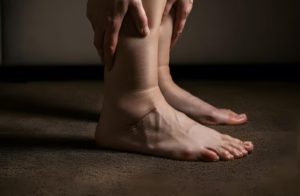
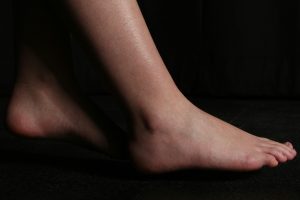
Watch this video where Ola explains what Plantar Fasciitis is and how to recognise the condition in your feet.
What Is Plantar Fasciitis?
So folks, what’s plantar fasciitis? ‘Plantar’ means the sole of your foot. ‘Fascia’ is the non-stretchy connective membrane which joins the front of the foot to the rear of your foot, holding it together. And ‘itis’ means inflammation. So put these together to mean inflammation resulting from damage to that non-stretchy connective membrane in your sole. You’ll know if you have plantar fasciitis as it HURTS.
So What Are The Symptoms?
Usually pain in the middle of the heel, and often pain in the achilles tendon too as the fascia extends from the heel to the achilles tendon (and beyond) and pain generally in the instep. Pain may also be felt on the top surface (dorsal) of your foot.
How to Treat Plantar Fasciitis
Treating plantar fasciitis will improve symptoms which can affect your daily routine. Firstly, rest. Whether it’s sport or hard physical work, try to cut down by at least half. This allows the inflammation to decrease and damage to the fascia to repair. Anti-inflammatory pain killers – either tablets or topical gel – and ice help alleviate pain. Specific exercises for plantar fasciitis will gently stretch the plantar fascia keeping it mobile and flexible. These also strengthen and stretch the muscles, ligaments and tendons in the sole, calf and even the buttocks; this is the hamstring system of which the plantar fascia is a part. Appropriate insoles work very well, offloading the pressure from the painful heel.
Give me a call if you need help with plantar fasciitis. I’ll be beside you with a clear plan incorporating the above methods to gradually get you out of pain and back to living normally again.